Crop planning on the micro flower farm
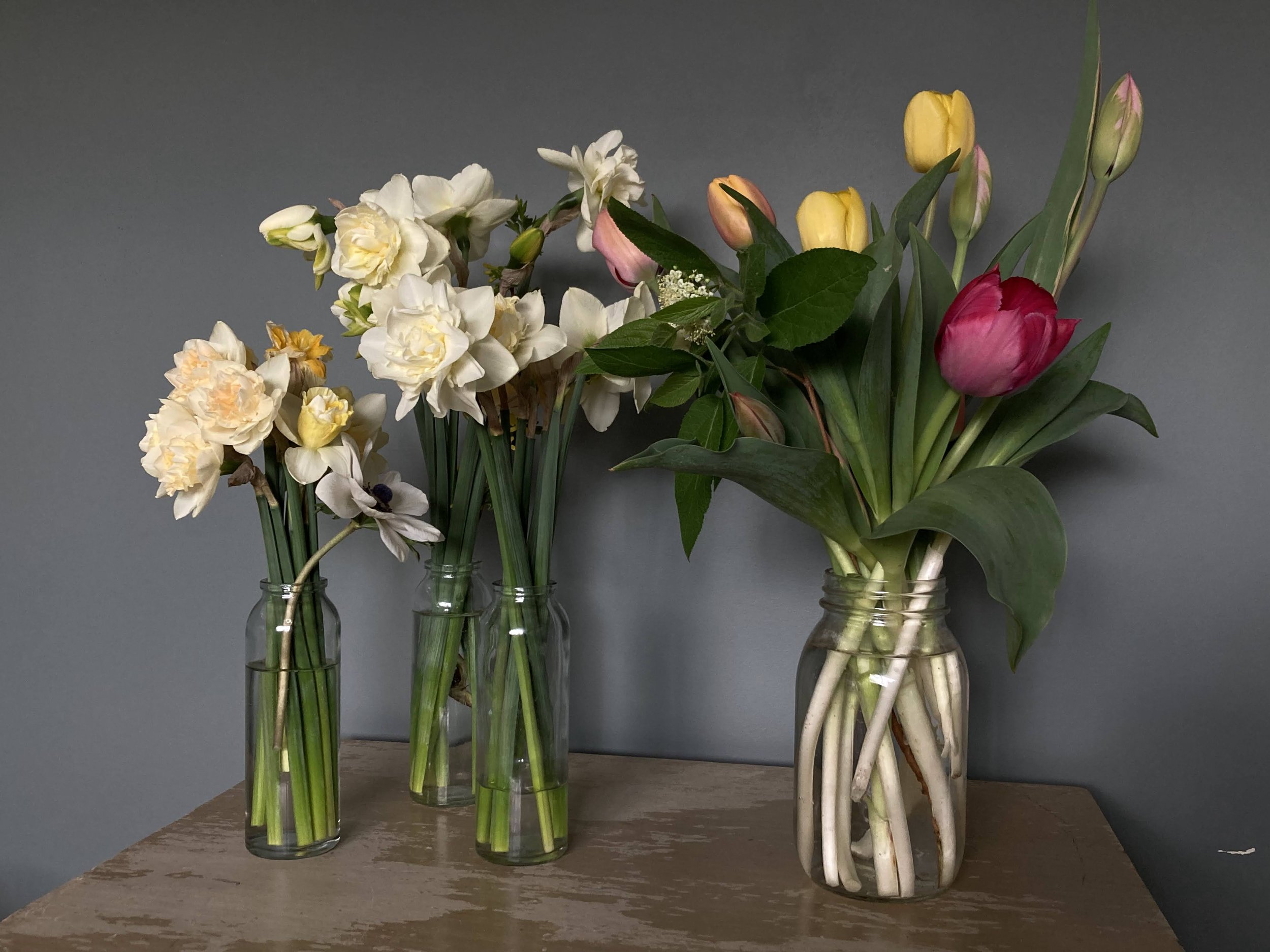
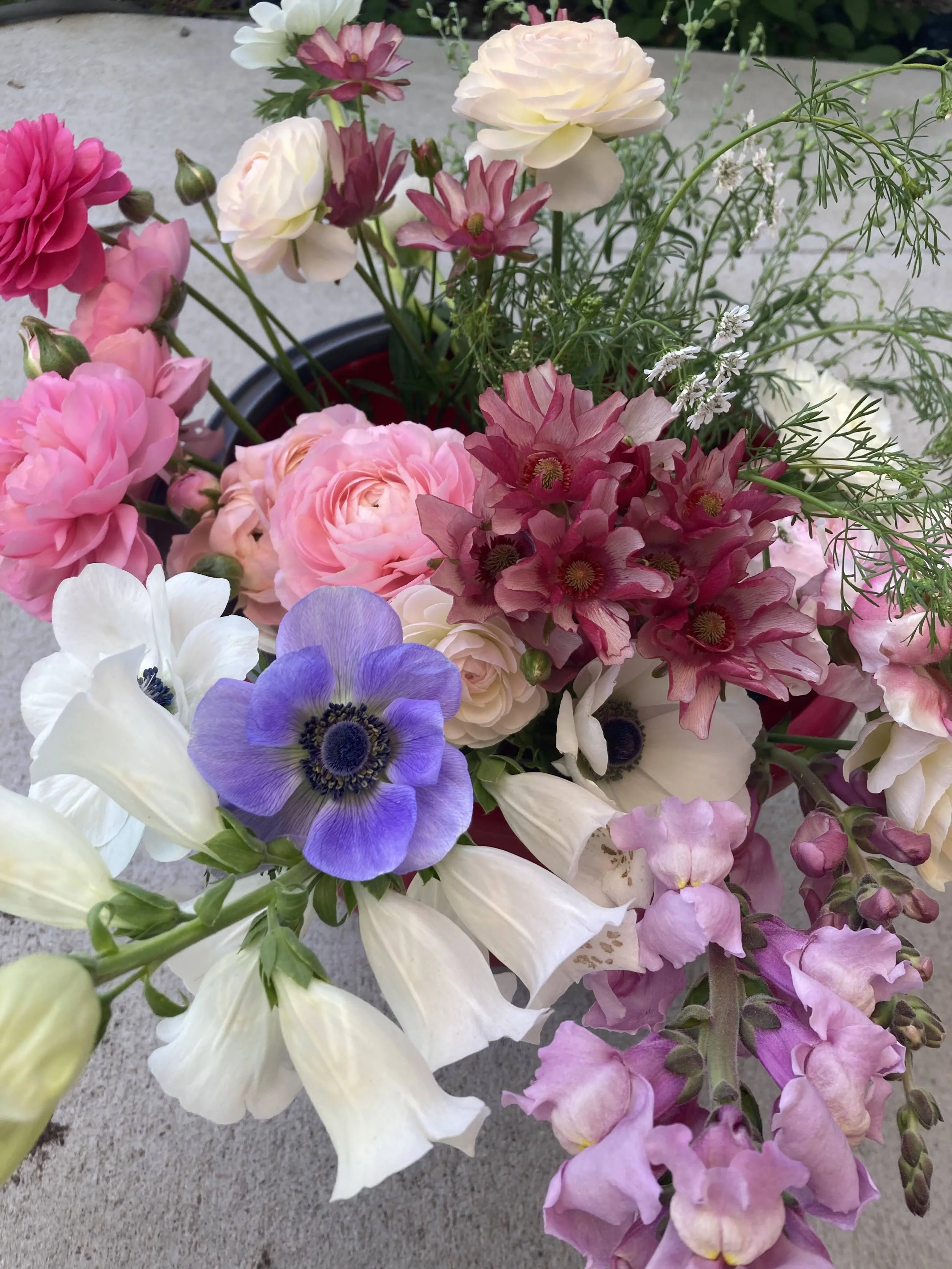
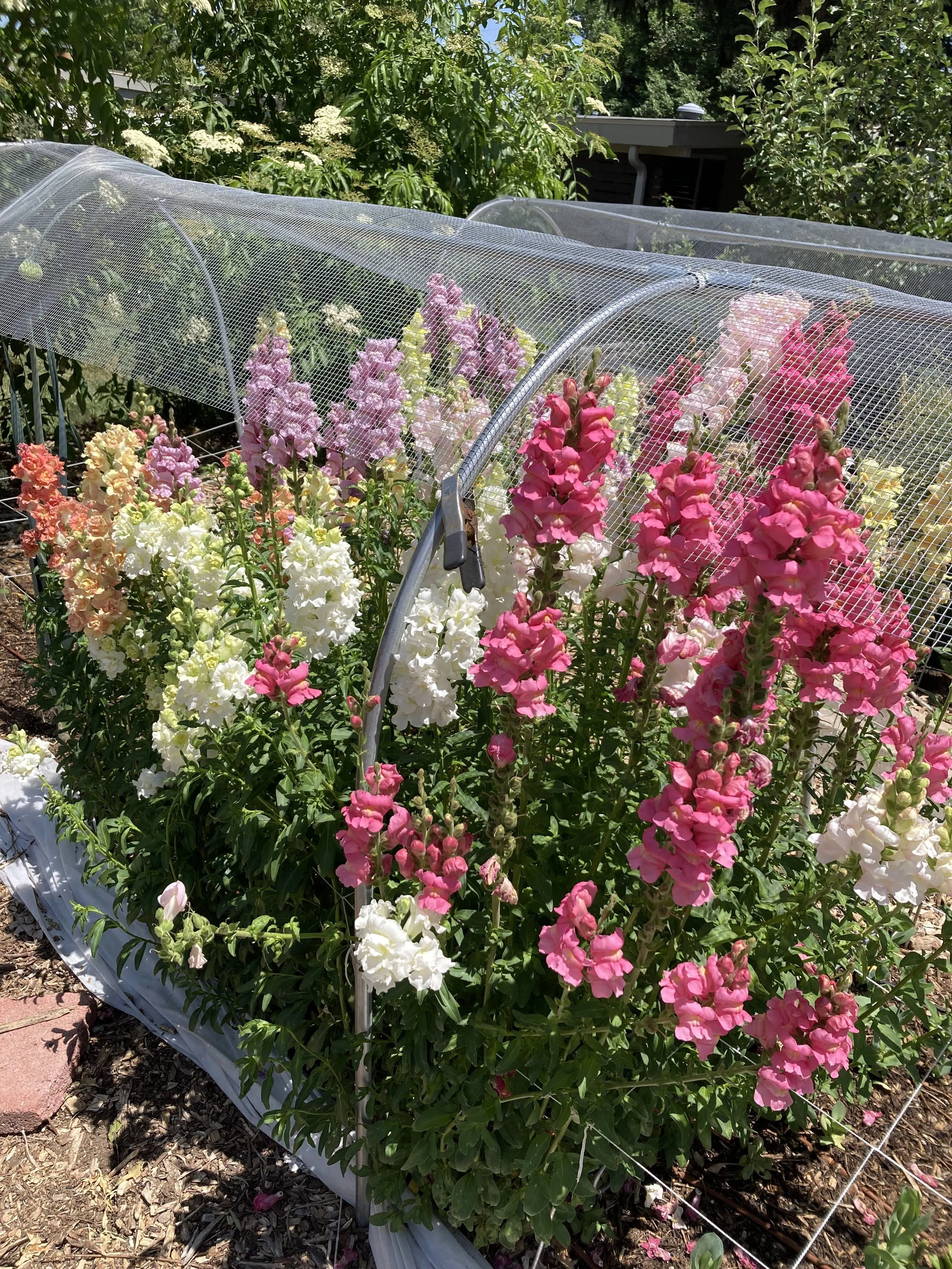
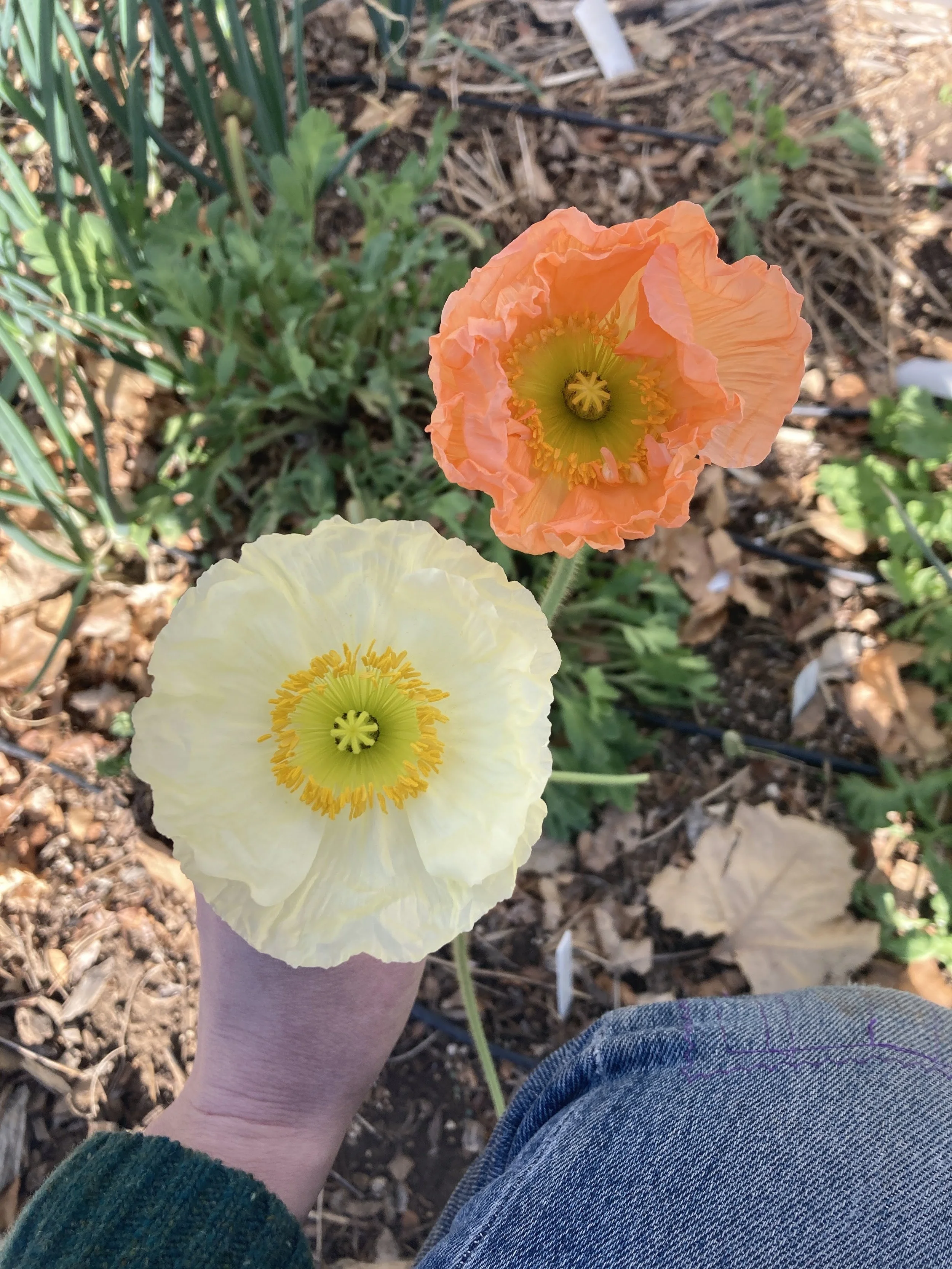
As soon as I found out I would get the opportunity to join the 2026 Harvey Park Farmers Market, I set about asking a few neighbors if they’d like to partner-garden with me so I could grow more flowers. Then, I was faced with the massive question: what to grow and when to grow it.
For a farmers market, I need to have consistent weekly harvests that I can make straight bunches and mixed bouquets from. Given that different flower species prefer different growing conditions, take different days to maturity to produce a harvest, and serve different purposes in a bouquet, crop planning on a flower farm is a complicated analysis.
When I grew food and flowers just for myself, I read a lot of resources (especially on Johnnys Seeds) and made virtual calendars and lists to tell me when to start seeds for each species. Over the years, it became a habit that I would start onion seeds in February, peppers in March, and tomatoes in April. I would try to keep notes about what date I planted seeds, transplants, or harvested. but it wasn’t so important.
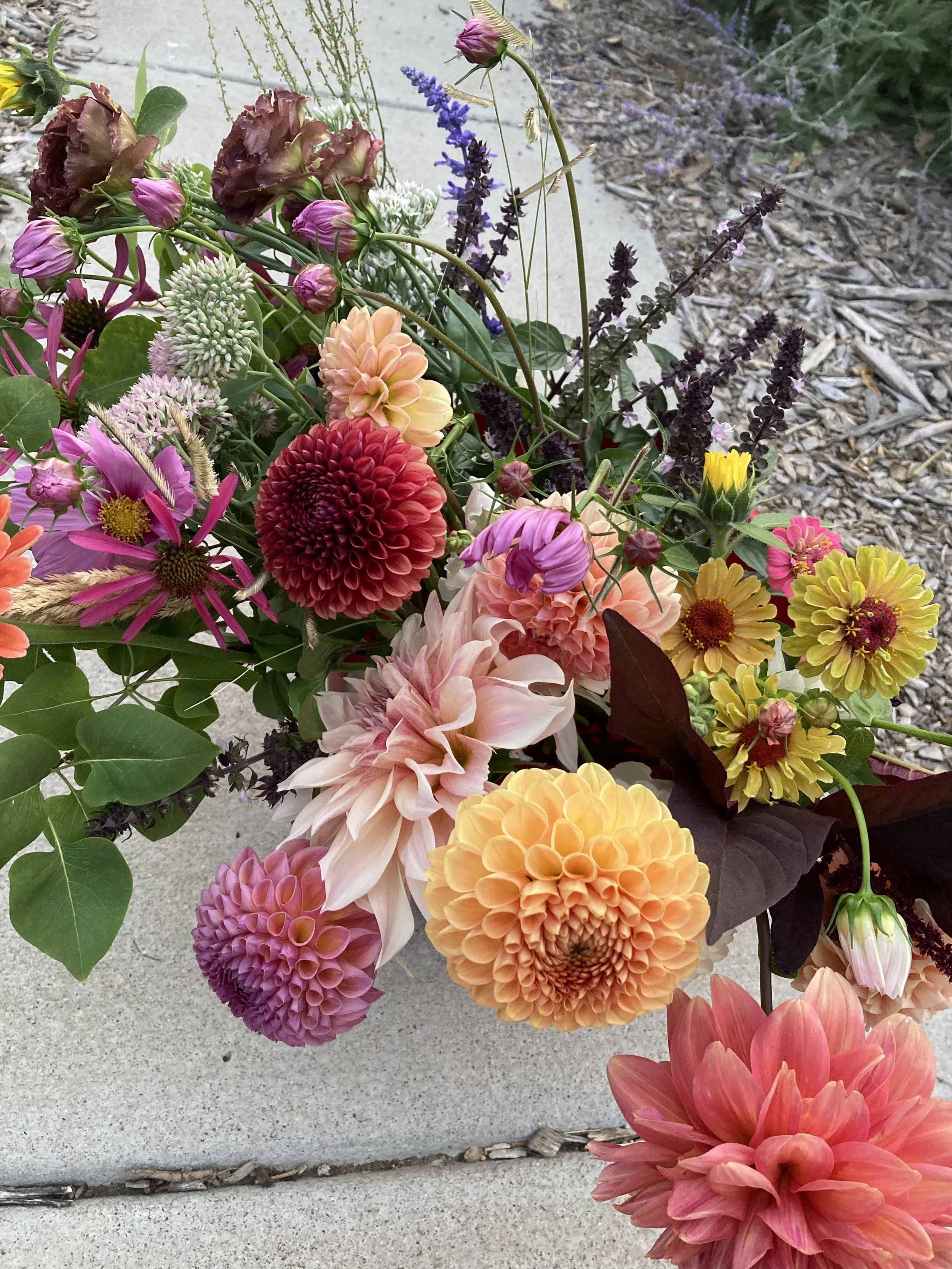
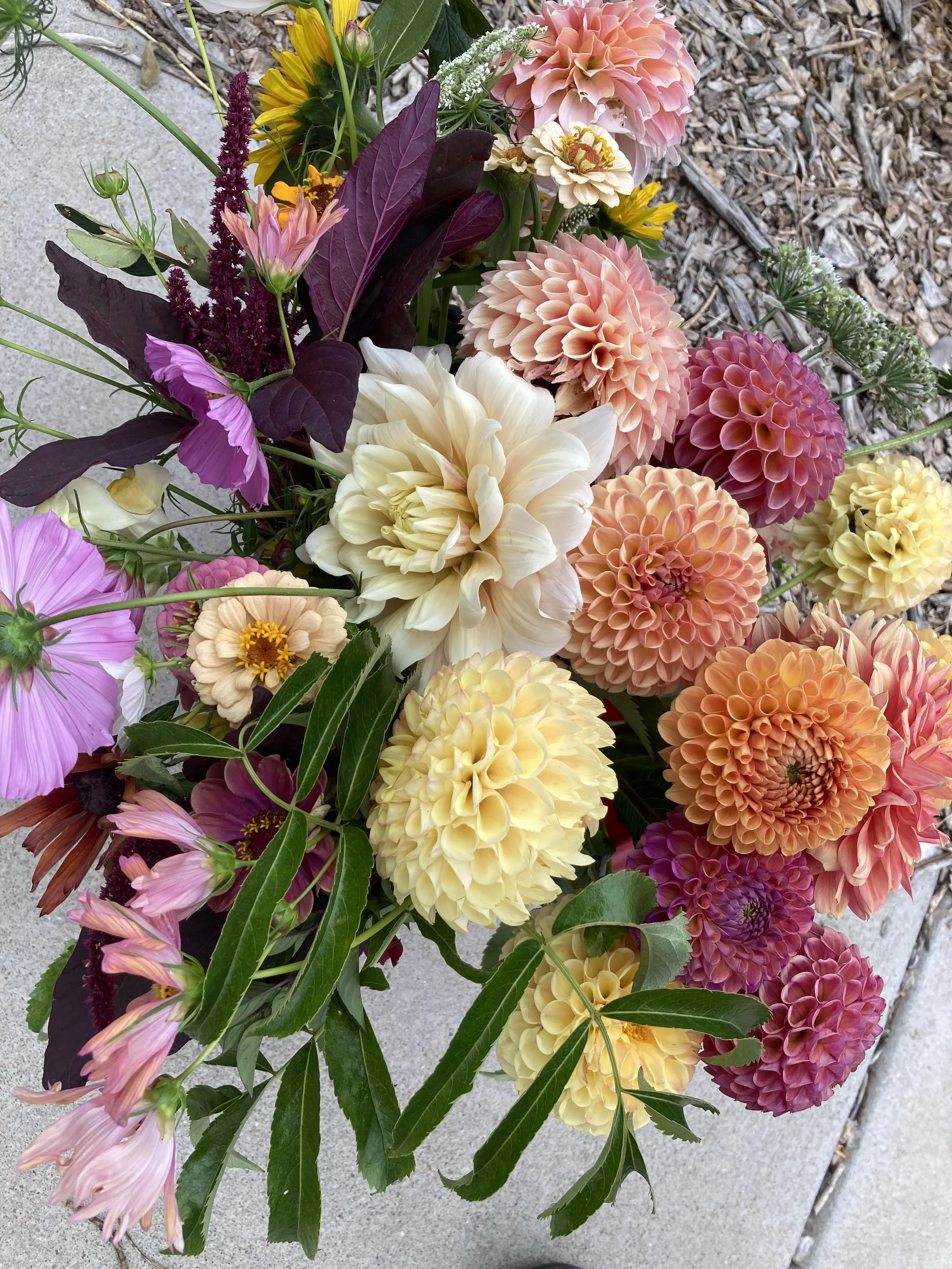
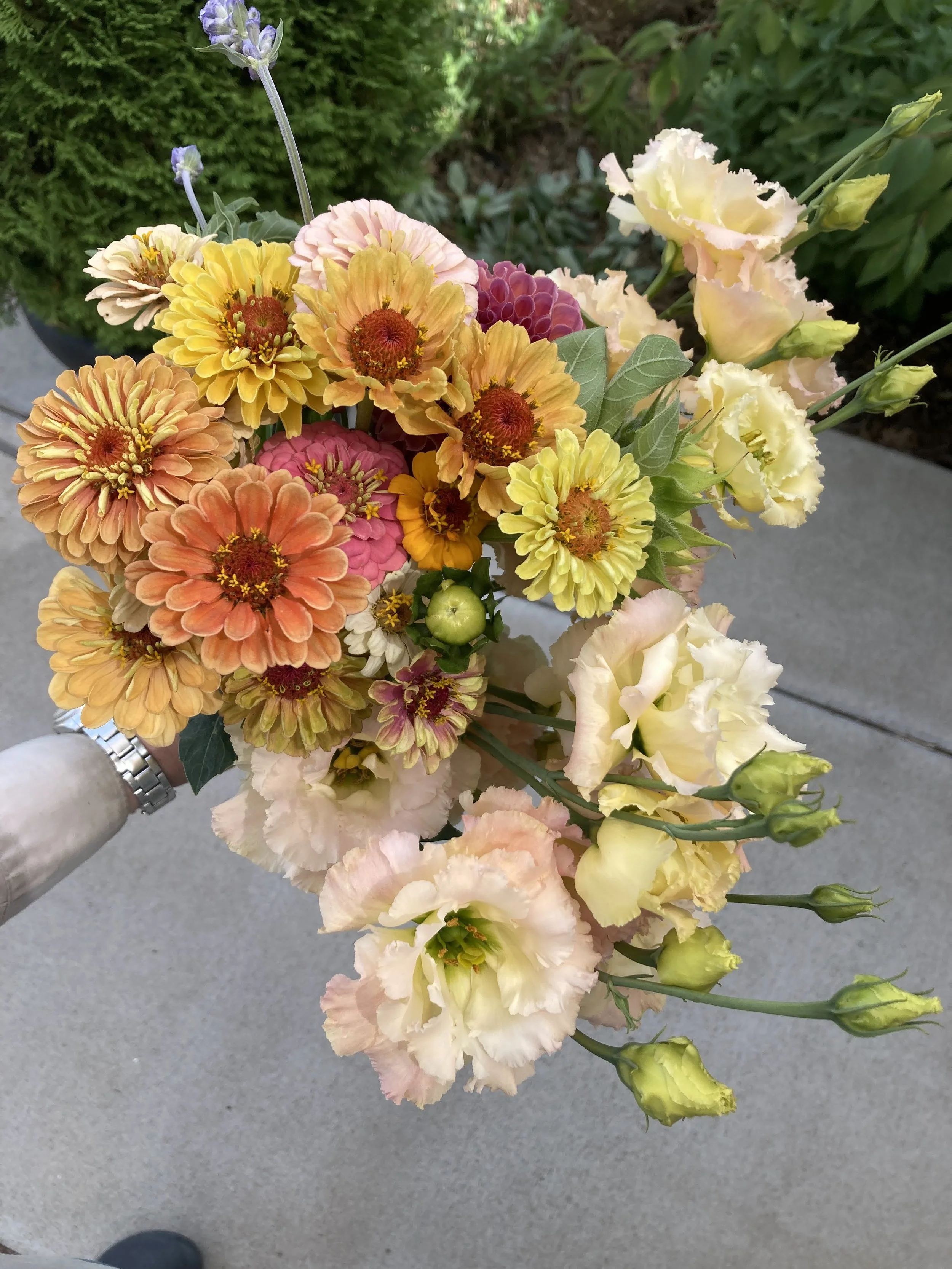
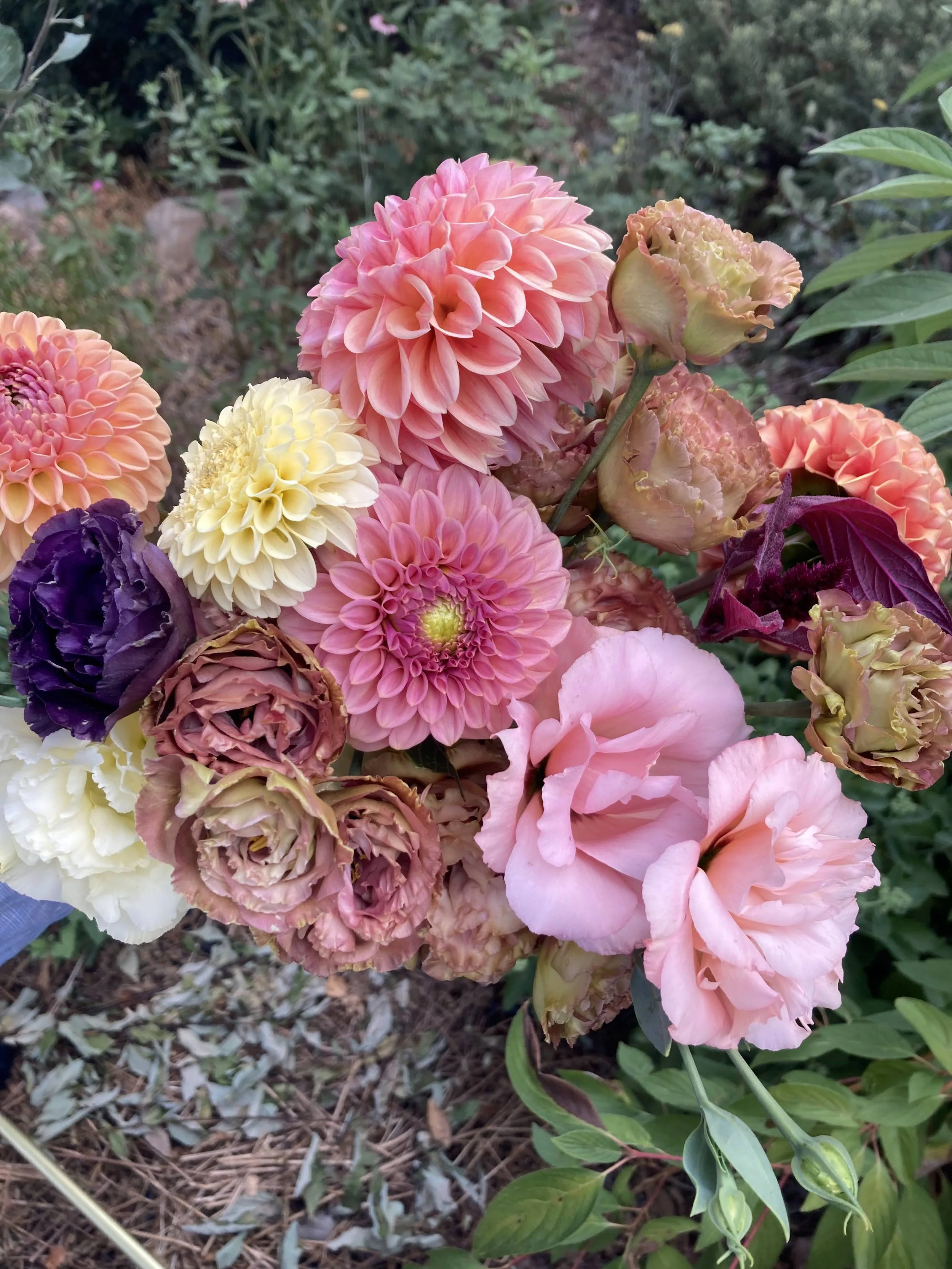
Now, for my commercial flower farm, keeping track of dates and notes is of utmost importance. Each year’s harvest data helps farmers adjust our plan to produce the best flowers we can, consistently, every week of the season. To make my 2026 plan, I started by looking at photos I took of my harvests and bouquets from this year. I made a digital spreadsheet list of every flower and plant I want to continue to grow (or start growing). I noted when I could expect to harvest that plant, and how many stems I want to harvest each week while that plant is producing. Most plants produce for between one to four weeks. Some produce only a single stem (aka cut), while others produce multiple stems. I use my own experience growing flowers plus research to predict how much I will harvest of each plant each week.

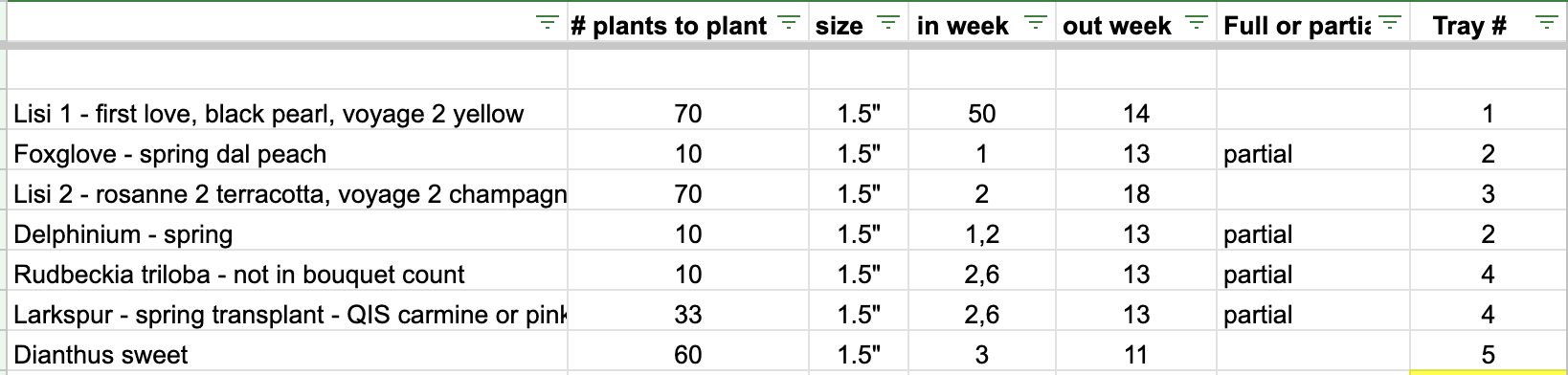
Once a plant was in my master crop list, I added it to a new digital list that can be sorted by the date that each plant will be either seeded or transplanted in the field (“out week” column below). That way, I can group the things I expect to plant each week together physically in the gardens.
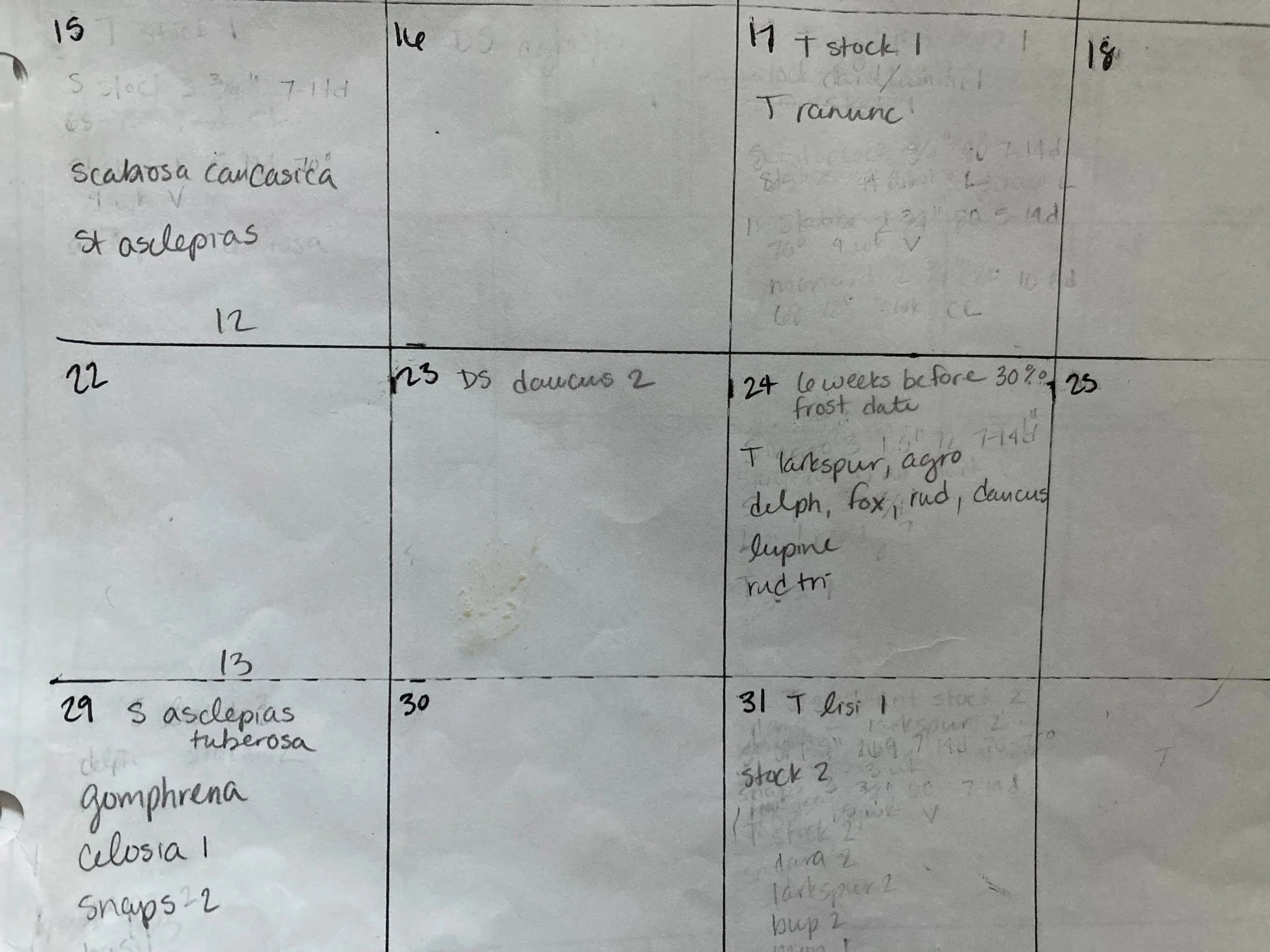
Finally, I have a large paper calendar that I drafted on 11x17 sheets of paper for the entire year. Each week, I add what seeds to start inside, what to direct sow outside, and what to transplant outside. This is all according to each species’s preferred growing conditions (spring, summer, or fall), preference for direct seeding or transplanting, and days to produce a transplant from a seed. The paper calendar makes predicting what’s ahead to do each week and month easy at a glance. It is an idea I got from Lisa Mason Ziegler of The Gardener’s Workshop.
There are far more details, like how to know what varieties of a flower to grow, how many, and in what colors, that I will continue to write about in future posts.